
Case study
Thermal and Refractory Monitoring Strategy for Adsorber Vessels
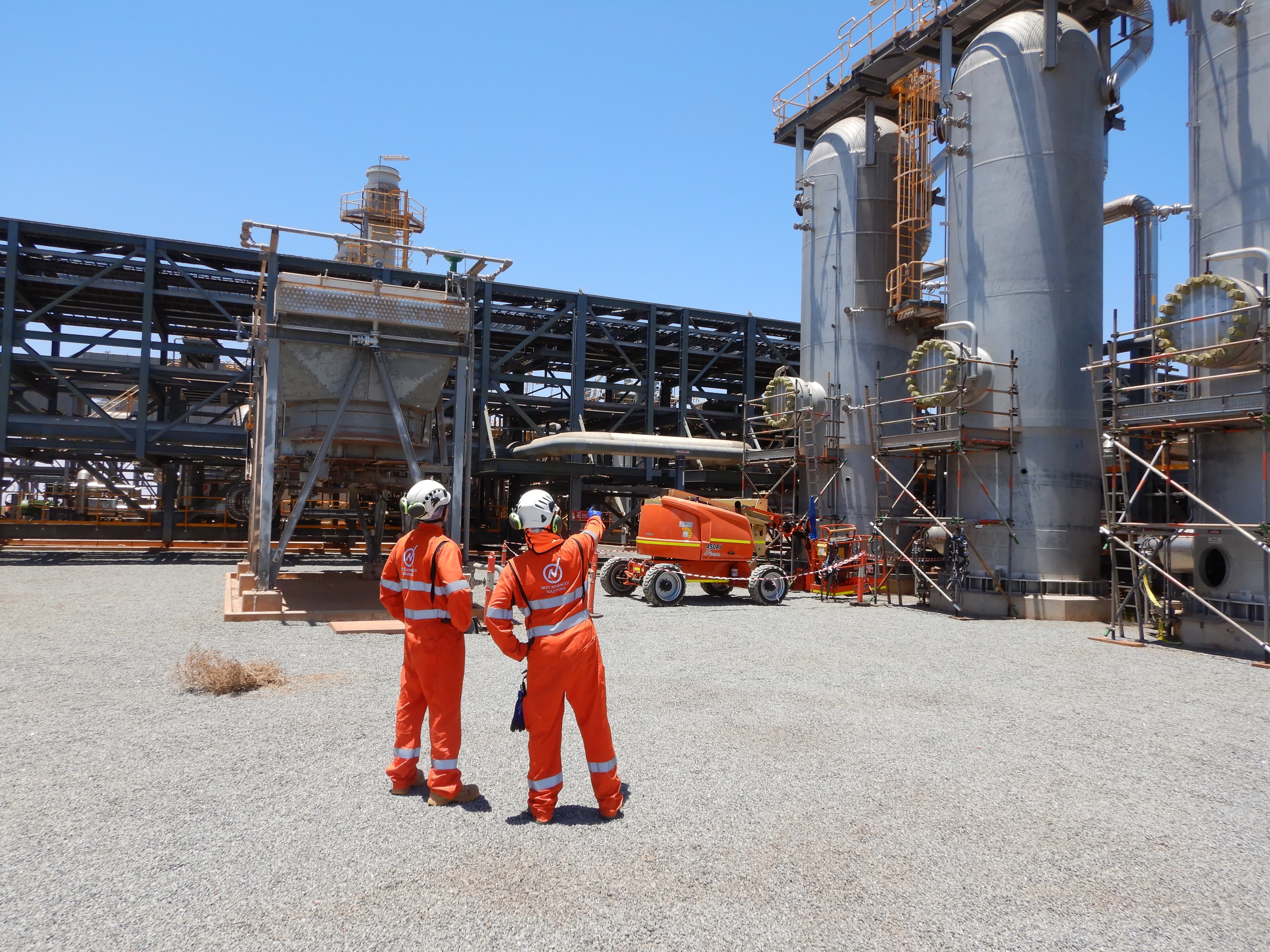
A structured inspection and monitoring strategy was established to manage thermal and refractory condition across operating cycles.
Key Outcomes
- Established monitoring strategy for thermal and refractory condition
- Enabled ongoing condition tracking
- Improved visibility of degradation mechanisms
- Supported proactive maintenance planning
Project Overview
The Challenge
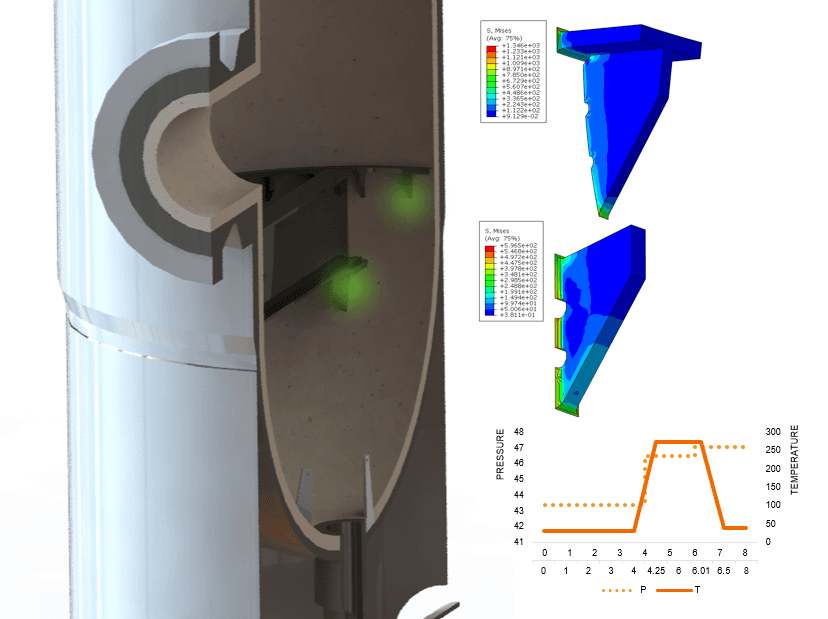
Thermal and refractory degradation posed risks due to:
- Cyclic operation
- Limited internal visibility
- Difficulty detecting early damage
Existing approaches did not support proactive decision-making.
The Solution
Planning
- Identification of thermal and refractory degradation mechanisms
- Definition of monitoring objectives
- Selection of inspection techniques
Execution
- Targeted inspection of critical zones
- Data capture aligned to degradation behaviour
- Establishment of baseline condition
Close-Out
- Engineering assessment
- Development of monitoring framework
- Integration into maintenance planning
Technical Detail
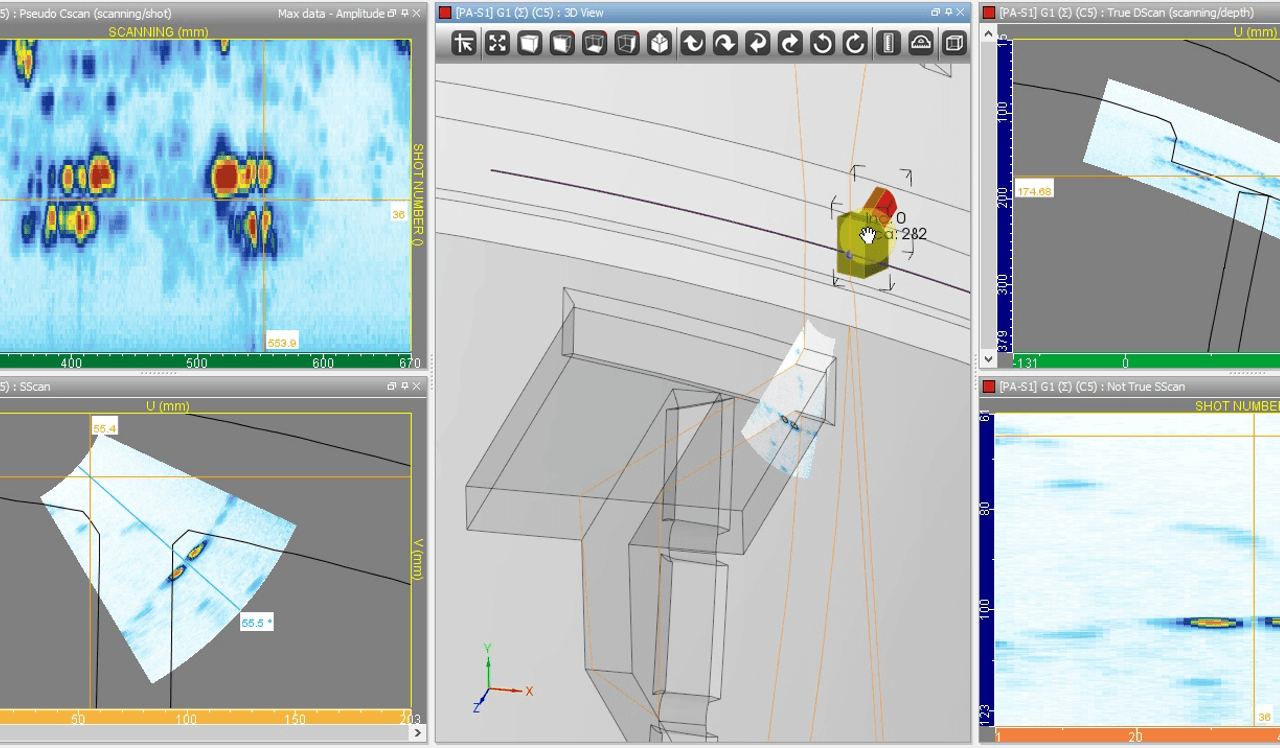
- Strategy aligned to thermal fatigue and refractory degradation
- Focus on high-risk thermal zones
- Data structured for trend analysis
- Integration with operational data
- Outputs supporting condition-based decisions
Outcome & Impact
- Improved condition visibility
- Early degradation detection
- Better maintenance planning
- Reduced failure risk
Key Takeaways
- Monitoring is critical for cyclic assets
- Early detection improves outcomes
- NII enables ongoing visibility
- Strategy improves lifecycle management