Non-Intrusive Inspection

Inspect vessels without opening them.No shutdown. No entry. No guesswork.

Structured NII combines engineering, inspection planning, physical on-site execution, and data evaluation so you get clear integrity decisions without unnecessary entry or downtime.

Trusted by operators including Santos, Woodside, and BHP.

Traditional IVI

  • Shutdown required
  • Cleaning, entry, reassembly
  • High cost and disruption
  • ~$445k typical cost

Preferred approach

NII

  • No entry required
  • Targeted, data-driven inspection
  • Minimal disruption
  • ~$60k–$85k typical cost

Most inspections are driven by habit, not need.

Opening a vessel has become the default response, not the optimal one.

Shutdowns, cleaning, and entry introduce cost, risk, and time. In many cases, they are not required to make a confident integrity decision.

Old thinking

“What do we need to open?”

NII thinking

“What do we actually need to know?”

NII reframes inspection from access-driven to information-driven.

Field execution

Inspection without entry. In practice.

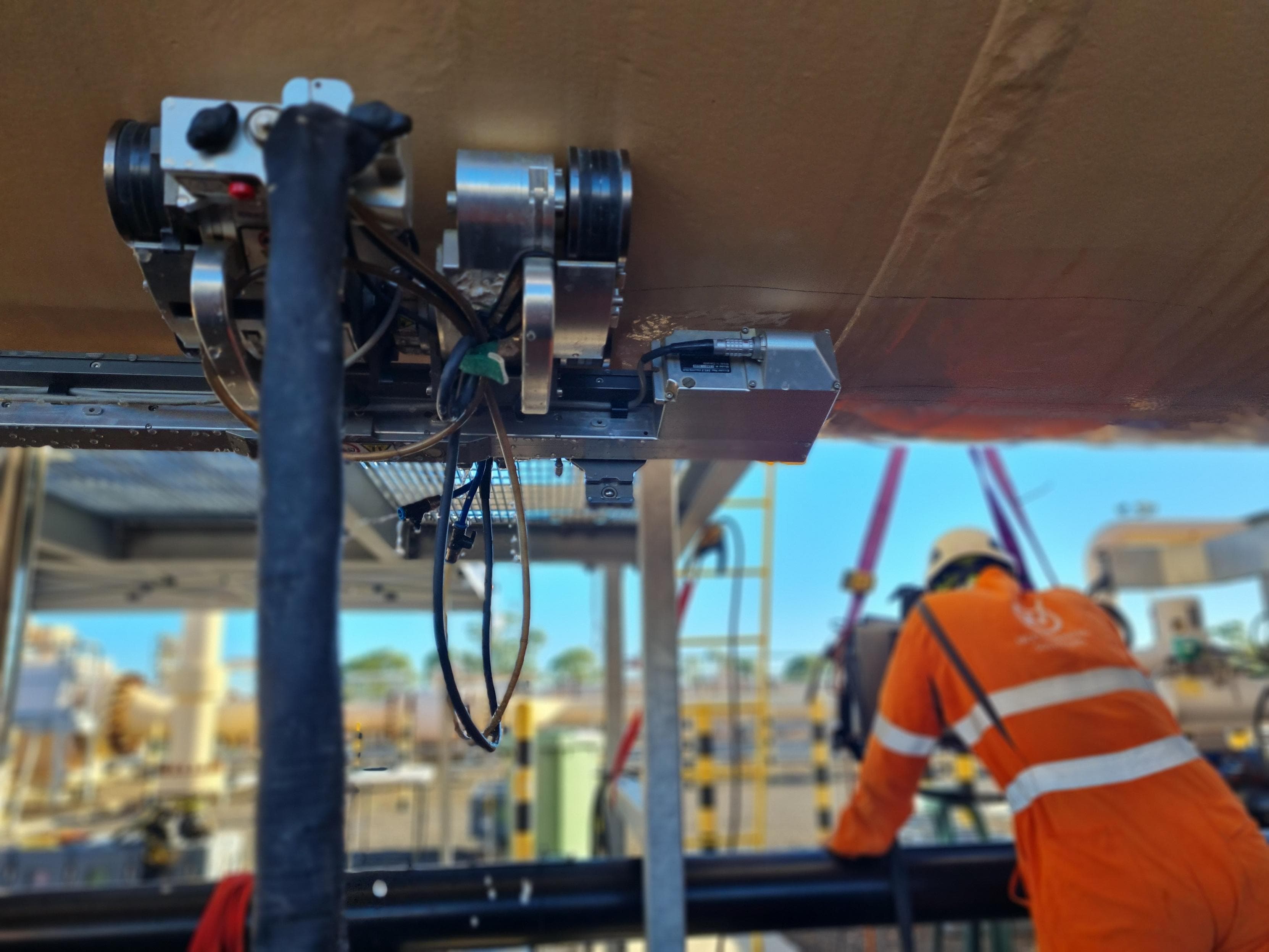
NAS performs on-site inspection execution: advanced NDT applied to live assets under the agreed workpack, with field leadership when conditions diverge from the plan.
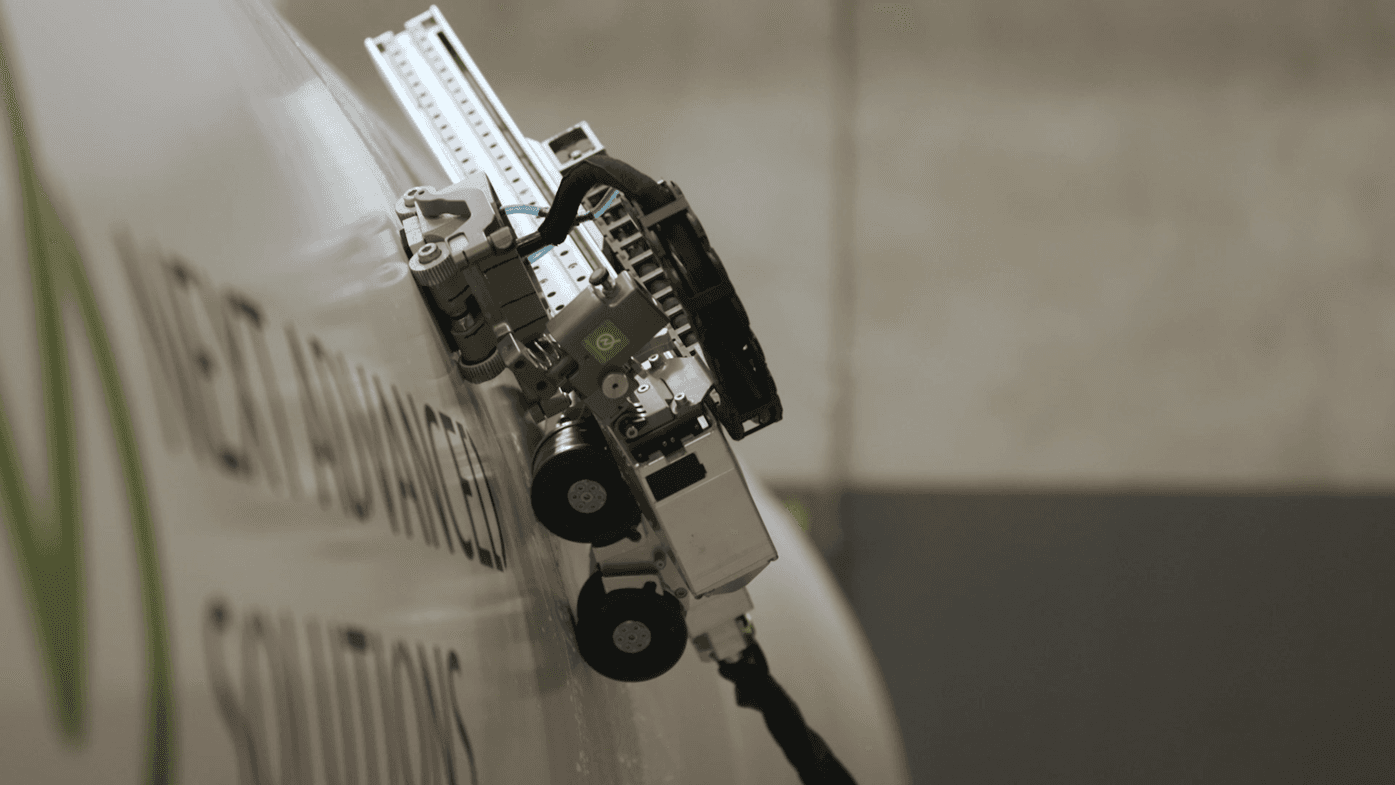
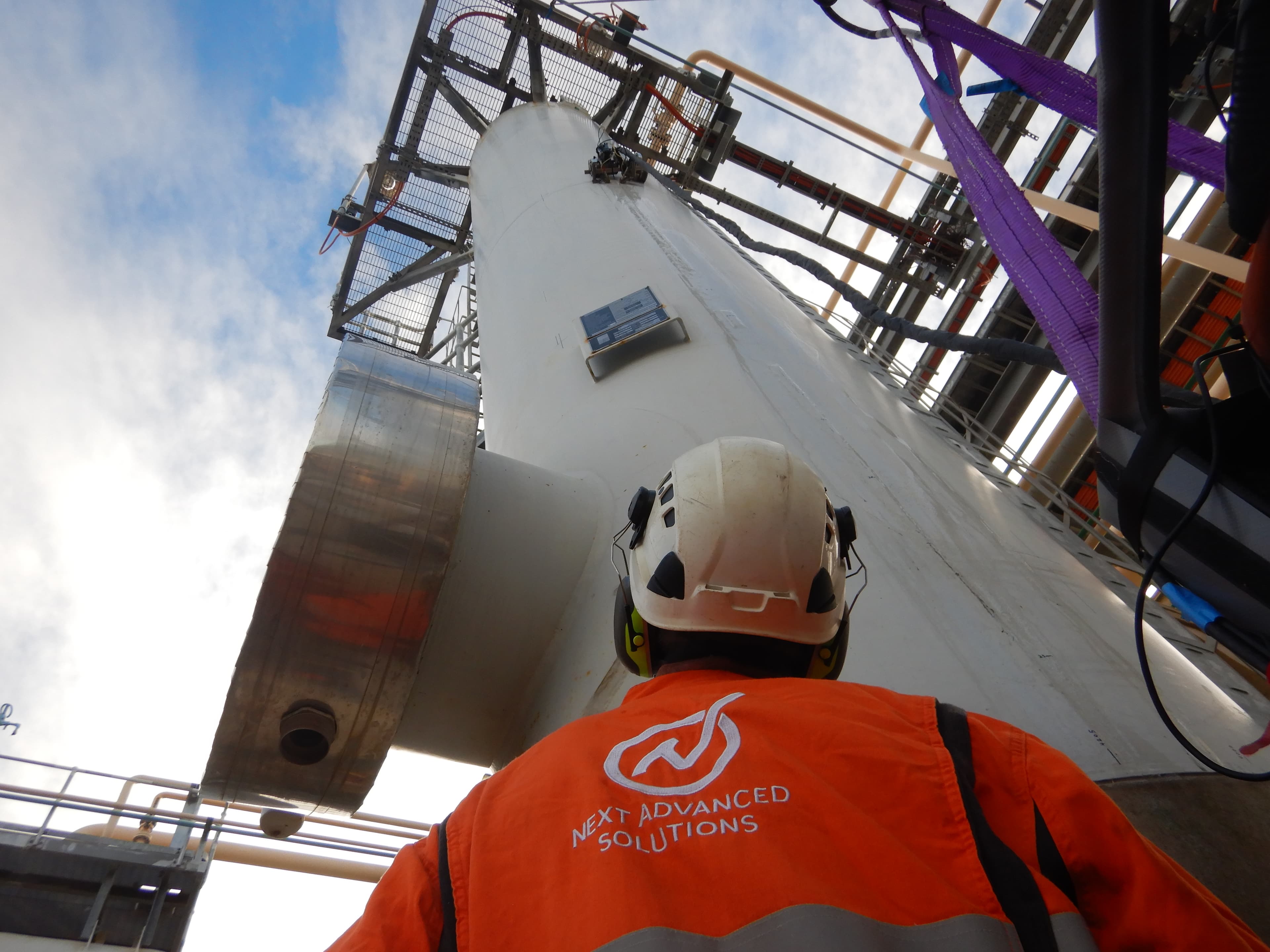
Robotic external scanning unit on a live vessel surface
Non-intrusive inspection work on a live industrial asset
Technician conducting external inspection at a live asset

No entry. No shutdown.
Targeted inspection, executed on live assets.

A different way to inspect.

Non-Intrusive Inspection is not a single technique. It is a structured approach to understanding asset condition without internal access.

It combines:

  • Risk-based planning
  • Targeted external inspection methods
  • Data interpretation aligned to integrity requirements

The result is clear, defensible information without opening the asset, when the full workflow is executed: front-end engineering, planning, physical on-site inspection, and evaluation through close-out.

What NII is not

  • Not routine external NDT relabelled as a program
  • Not a shortcut around engineering rigor or acceptance criteria
  • Not suitable for every vessel or every decision type
  • Not credible without quality in planning, on-site execution, and evaluation

Engineering-led, not inspection-led.

NII only works when it is properly engineered.

We focus on:

  • Defining what needs to be known
  • Selecting strategy, zoning, and inspection approach
  • Executing on site to the workpack and managing field deviations
  • Evaluating data and closing out with clear integrity outcomes

This is not generic NDT.

This is engineered inspection strategy.

Where NII fits

  • Can replace internal inspection when the structured process proves the decision requirements are met
  • Can reduce shutdown scope by targeting what internal work is truly justified
  • Supports integrity programs and RBI-based decisions with repeatable, auditable logic

When NII is more likely to fit.

  • Vessels where shutdown cost is high
  • Assets with known or predictable damage mechanisms
  • Situations where inspection scope can be targeted
  • Facilities aiming to reduce inspection OPEX

When it may not be suitable.

  • Unknown or highly variable degradation
  • Assets requiring full internal visual confirmation
  • Where inspection data cannot meet decision requirements
  • Simple

    1–2 days

  • Moderate

    2–7 days

  • Complex

    7–14 days

Defined by scope, access, and inspection requirements, not shutdown constraints.

Better decisions. Lower cost. Less disruption.

NII is not just an inspection method. It is a way to reduce unnecessary shutdowns while maintaining confidence in asset integrity.

You get:

  • Reduced OPEX
  • Increased operational availability
  • Clear, defensible inspection data
  • Confidence in every decision

Common questions

What is non-intrusive inspection?
NII is a structured engineering process to assess vessel integrity without internal entry, using targeted external methods, defined coverage, and formal evaluation. It is not a single NDT technique in isolation.
When is NII suitable?
When degradation is understood well enough to scope external methods, access supports the plan, and the program can meet the integrity decision you need. Screening and engineering define that for each asset.
Does NAS perform inspection work on site?
Yes. NAS plans the program and executes advanced NDT and inspection tasks on live assets, then manages conformance, analysis, and engineering close-out.
Can NII replace internal inspection?
In specific cases, yes, when the structured process demonstrates that external evidence meets the decision requirements. Otherwise NII can narrow shutdown scope or defer entry until it is truly needed.

Next steps in the workflow

NAS delivers structured NII from screening through on-site inspection execution and engineering close-out. NIIPRO supports planning, field records, and traceability in the same programs.