Case study
Avoided Shutdown of Critical Process Vessel
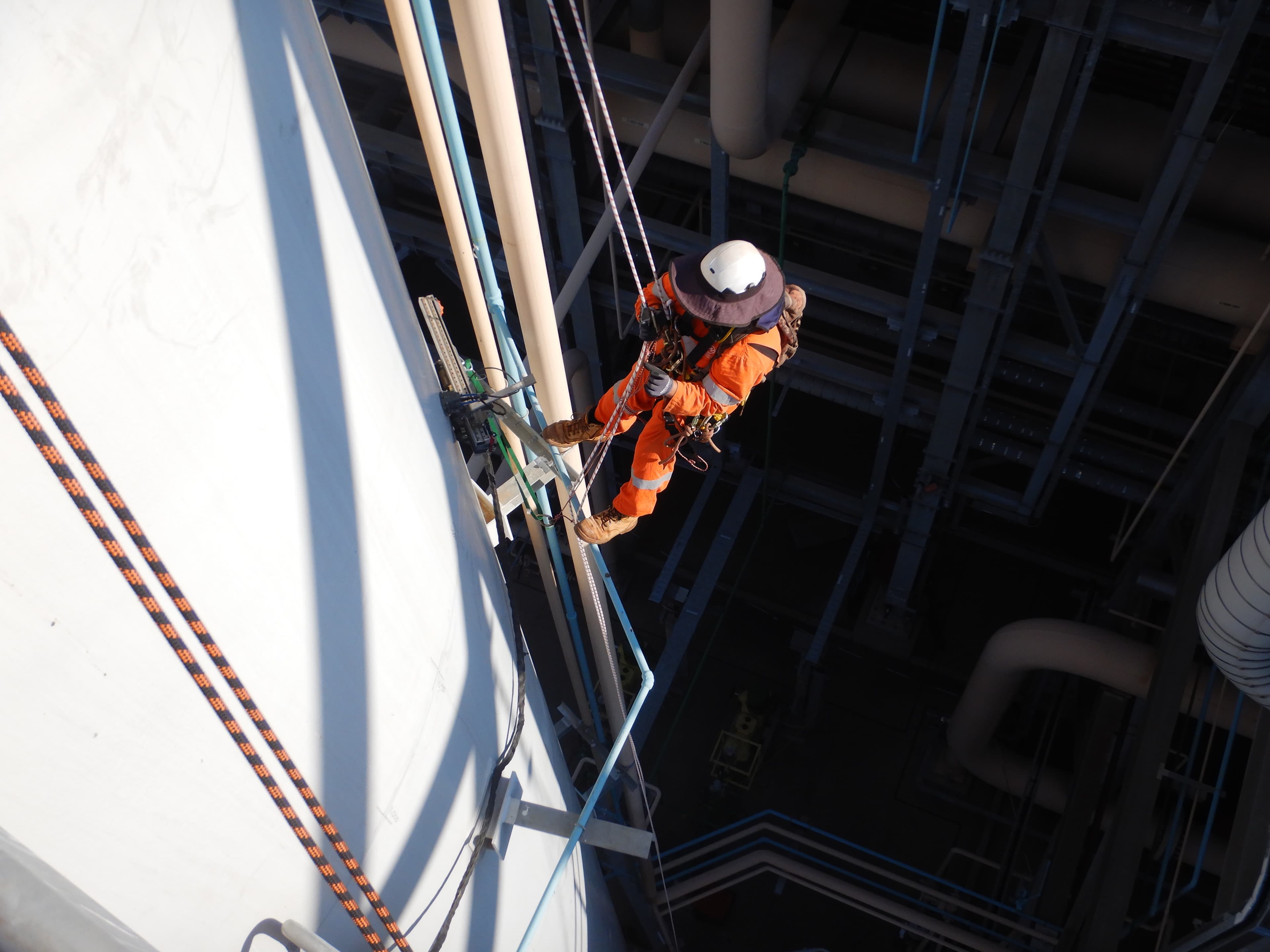
Statutory inspection completed with the vessel fully operational, eliminating shutdown and internal entry requirements.
Key Outcomes
- Maintained full production during inspection
- Eliminated confined space entry and associated safety risk
- Delivered high-confidence integrity assessment
- Enabled continued safe operation with targeted follow-up strategy
Project Overview

The Challenge
Conventional inspection required a full shutdown, vessel isolation, mechanical preparation, and internal entry, introducing significant cost, safety exposure, and operational disruption. Accessing all internal surfaces would also have required significant removal of internal furniture.
Additional complexity included:
- Requirement for statutory compliance
- Limited confidence in condition without internal access
The Solution
Planning
- HOIS-aligned assessment of damage mechanisms and inspection requirements
- Definition of inspection strategy, coverage, and performance criteria
- Alignment with integrity and regulatory requirements
Execution
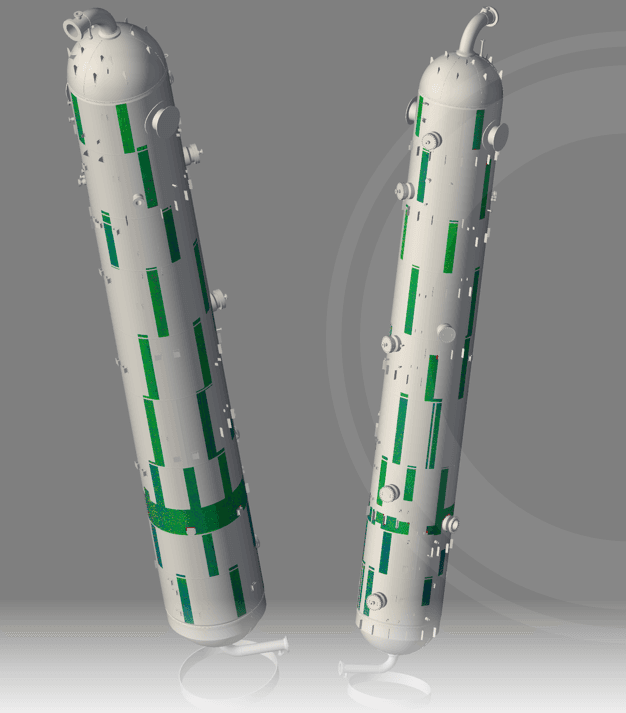
- External inspection using advanced NDT techniques
- Targeted coverage of critical zones and internal features
- Efficient data acquisition while vessel remained online
Close-Out
- High-resolution data analysis and validation
- Fitness-for-service assessment
- Integration into integrity management systems
Technical Detail
- Inspection strategy aligned to predicted damage mechanisms
- Coverage designed to achieve high inspection effectiveness
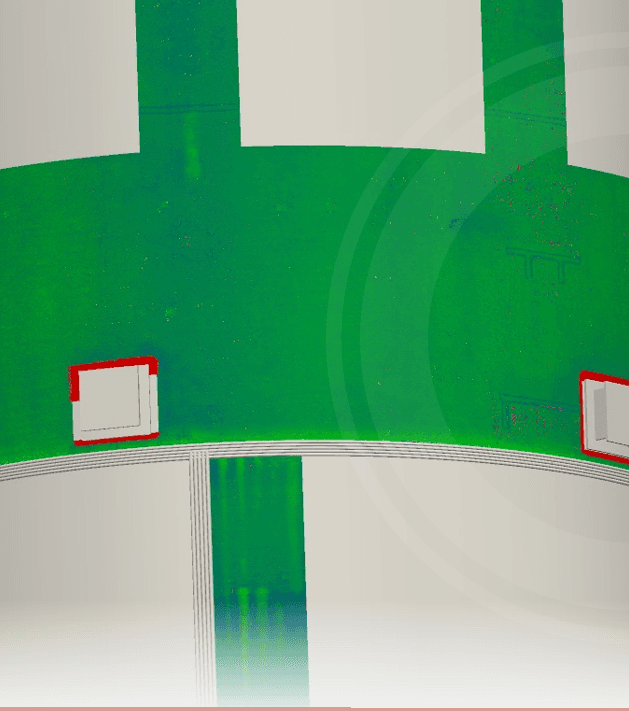
- Detection and visualisation of internal supports and localised degradation
- Quantitative data enabling comparison with future inspections
- Alignment with HOIS recommended practices
Outcome & Impact
The inspection was completed without shutdown or vessel entry, while delivering a level of integrity understanding exceeding traditional internal inspection.
- Shutdown scope eliminated
- Safety risk significantly reduced
- Improved integrity decision-making
- Future inspections optimised
Key Takeaways
- NII can fully replace IVI when engineered correctly
- Strategy is more important than inspection volume
- Digital workflows improve execution and analysis
- Early inspection improves long-term planning