

Case study
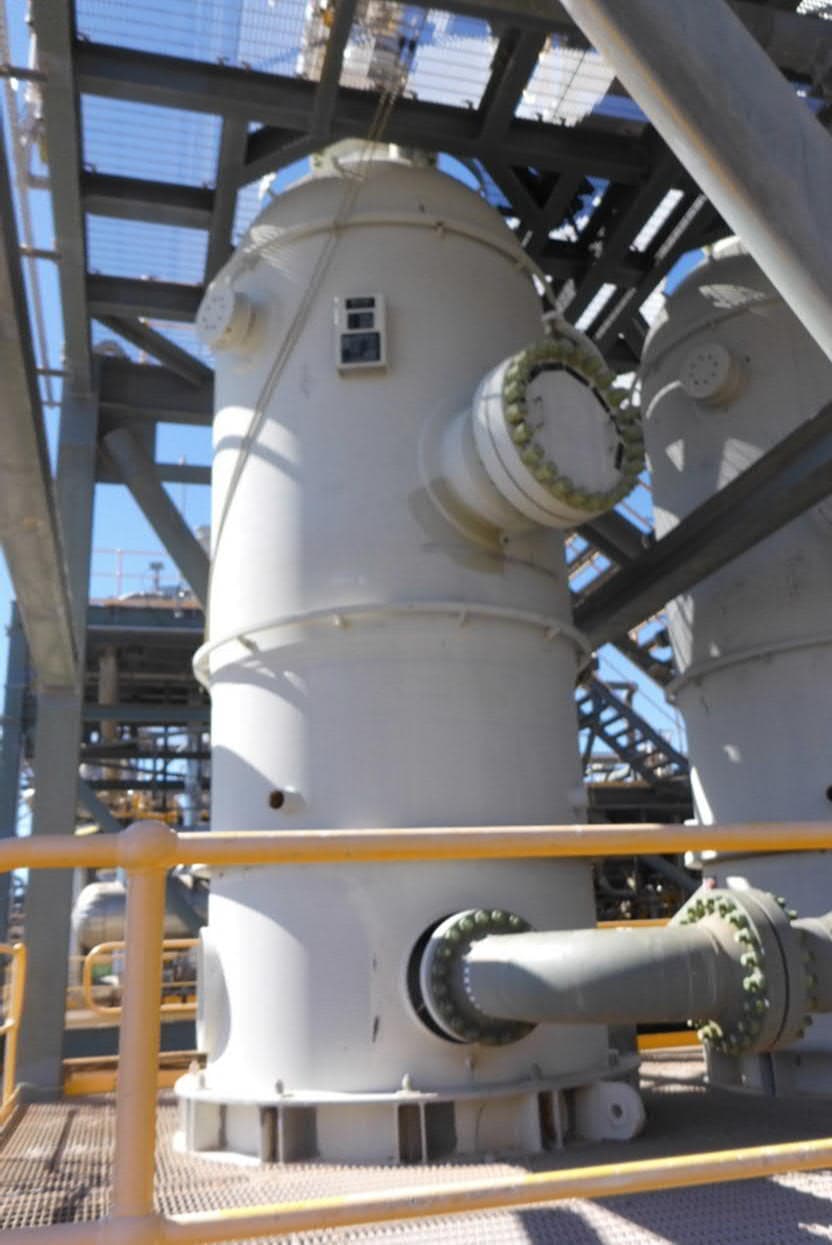
Repeatable NII Strategy Developed for Mercury Guard Beds
A standardised, repeatable inspection strategy was developed to optimise future inspection planning and execution.
Key Outcomes
- Established repeatable NII strategy for future inspections
- Improved alignment between process conditions and integrity planning
- Reduced reliance on shutdown-based inspection approaches
- Enabled consistent, scalable inspection delivery
Project Overview
The Challenge
Inspection approaches were inconsistent and not fully aligned with:
- Process operating conditions
- Damage mechanisms specific to mercury service
- Long-term inspection planning
This resulted in inefficiencies, uncertainty, and reliance on conventional inspection approaches.
The Solution
Planning
- Assessment of process conditions and degradation mechanisms
- Review of historical inspection data
- Definition of inspection objectives
Strategy Development
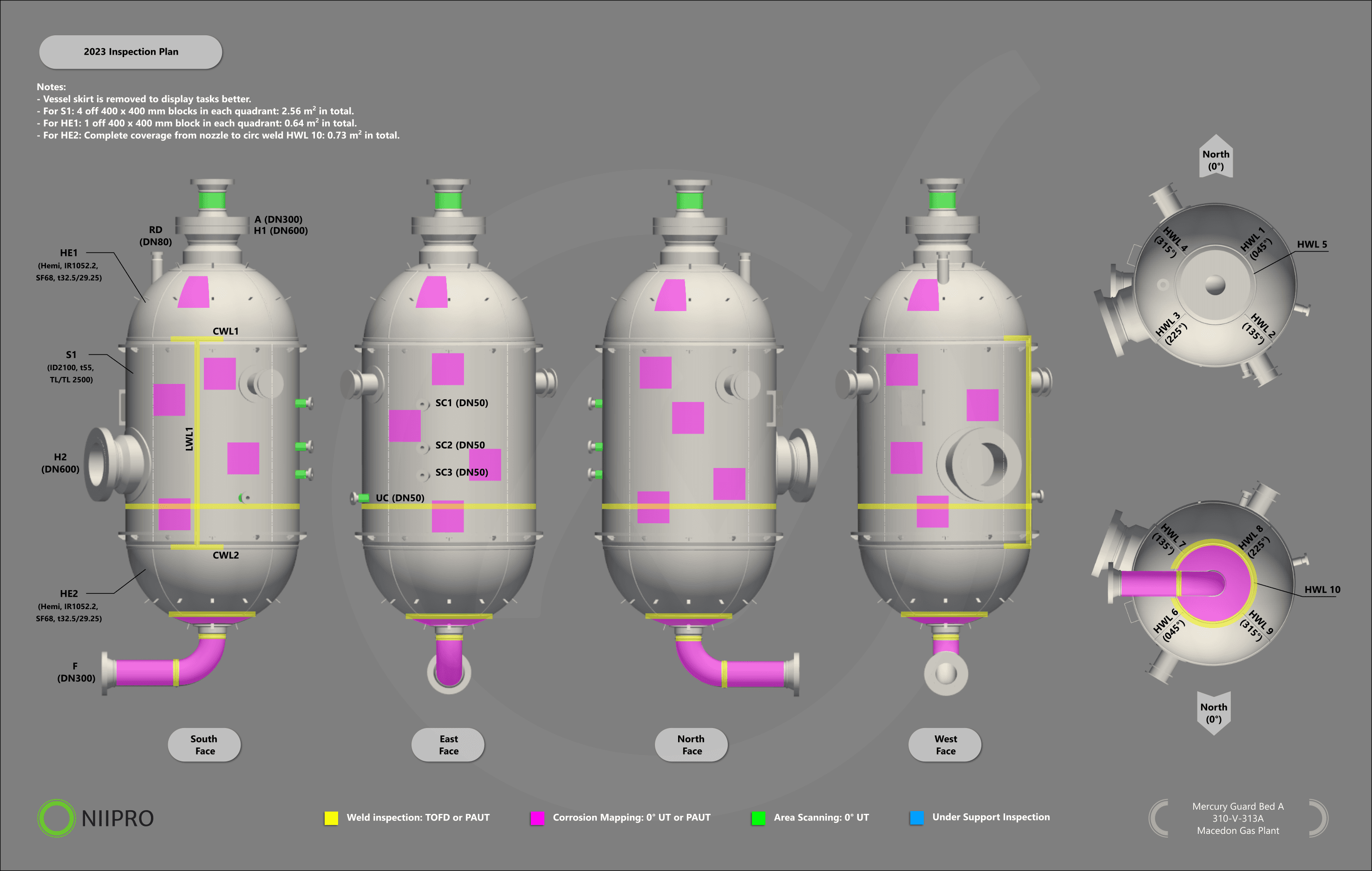
- Development of repeatable NII framework
- Alignment of inspection scope with risk drivers
- Definition of coverage and techniques
Integration
- Alignment with integrity systems
- Development of future inspection roadmap
- Standardisation across assets
Technical Detail
- Strategy aligned to mercury-related degradation mechanisms
- Risk-based inspection coverage definition
- Integration of historical data
- Structured repeatable inspection approach
- Outputs designed for long-term optimisation
Outcome & Impact
- Standardised inspection approach
- Reduced shutdown dependency
- Improved planning confidence
- Long-term efficiency gains
Key Takeaways
- Strategy enables consistency and scalability
- Repeatability improves outcomes
- Process-aligned inspection is critical
- NII supports long-term optimisation